Table of Contents
- Key Takeaways
- Quick Verdict
- Product Overview & Specifications
- Real-World Performance & Feature Analysis
- Design & Build Quality
- Performance in Real Use
- Ease of Use
- Durability & Reliability
- Pros & Cons
- Comparison & Alternatives
- Cheaper Alternative: Standard Zinc-Plated Steel Bolts
- Premium Alternative: Stainless Steel Specialty Bolts
- Buying Guide / Who Should Buy
- Best for Beginners
- Best for Professionals
- Not Recommended For
- FAQ
That subtle wobble when you sit down—it’s more than annoying. A loose toilet isn’t just a nuisance; it’s a threat to your bathroom floor and a potential source of leaks that can cost thousands in repairs. After installing hundreds of toilets in my plumbing career, I’ve learned that the hardware securing your toilet to the floor matters far more than most homeowners realize.
The Fluidmaster toilet floor bolt set positions itself as a premium solution, but does its brass construction and complete kit approach justify the price? More importantly, is it the right choice for your specific bathroom situation? Let’s move beyond the marketing claims and examine how these bolts perform in real installations.
Key Takeaways
- Solid brass construction provides genuine corrosion resistance that cheaper steel bolts lack
- Complete kit design saves time but may include components you don’t need
- Universal fit works well for standard installations but struggles with non-standard flange positions
- Significant price premium over basic hardware store alternatives
- Best value for homeowners planning long-term residence or dealing with moisture-prone bathrooms
Quick Verdict
Best for: Homeowners in humid climates or planning long-term residence; rental property owners wanting to minimize maintenance calls; DIYers who value complete kits with all necessary components.
Not ideal for: Budget-conscious projects where basic bolts would suffice; bathrooms with non-standard flange placements; temporary installations or flip properties where premium materials aren’t justified.
Core strengths: Genuine corrosion resistance that prevents rust stains and bolt failure; complete kit reduces multiple trips to hardware store; brass threads are less likely to cross-thread during installation.
Core weaknesses: Price point nearly triple basic alternatives; included mounting plate may not fit all flange types; limited length adjustment for toilets with unusual spacing.
Product Overview & Specifications
The Fluidmaster toilet floor bolt set isn’t just replacement hardware—it’s a complete system designed to address the common failure points of standard toilet installations. Having used everything from basic zinc-plated steel bolts to stainless steel alternatives, I appreciate how Fluidmaster has thought through the entire securing process rather than just providing basic fasteners.
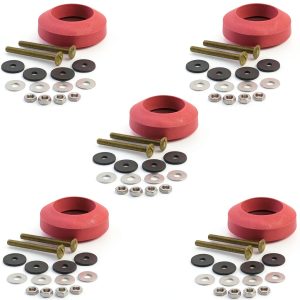
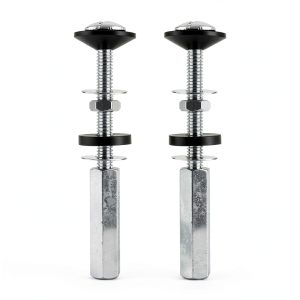
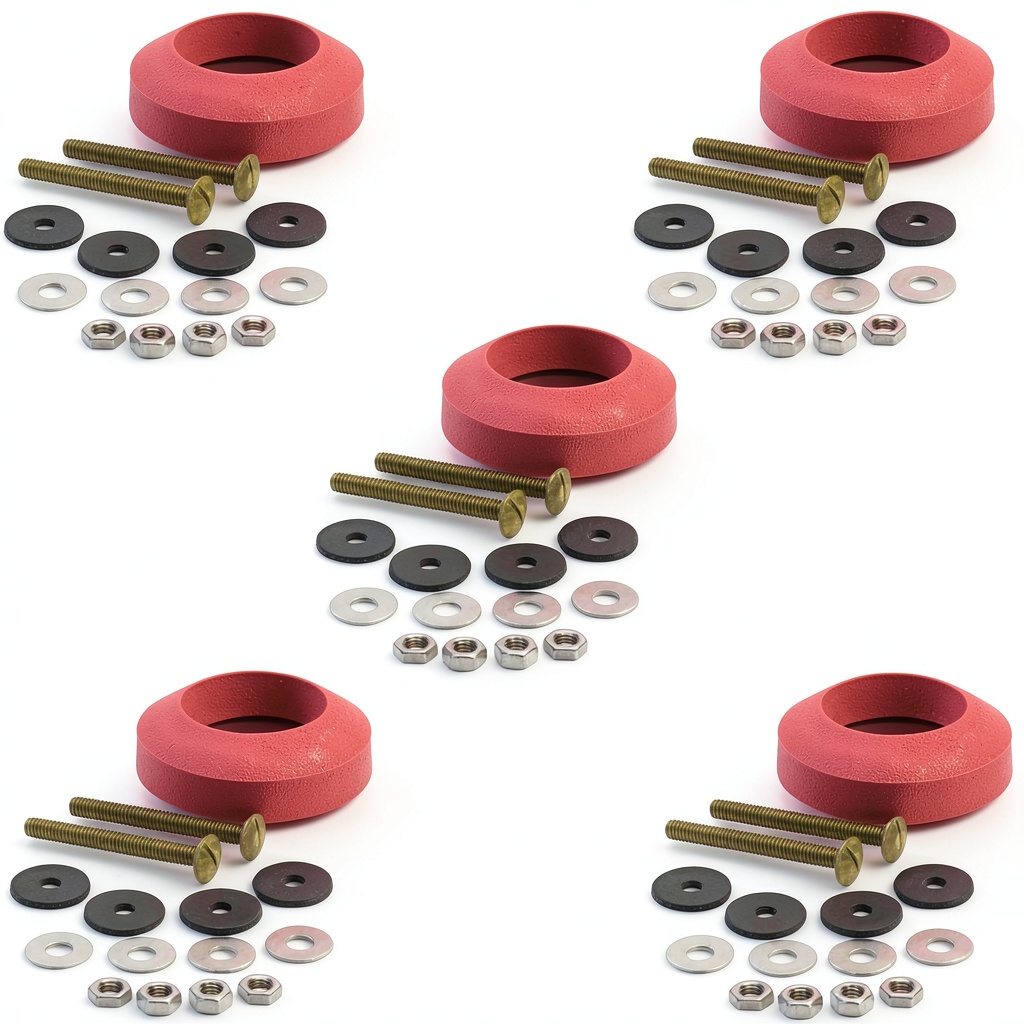
What stands out immediately is the material choice. While many big-box stores sell “brass-looking” bolts, these are solid brass through and through. In moisture-rich bathroom environments, this matters more than most people realize. The kit includes everything needed: two brass bolts, corresponding washers and nuts, plastic caps for finished appearance, and a metal mounting plate that helps position the toilet during installation.
| Specification | Details |
|---|---|
| Material | Solid brass construction |
| Components | Bolts, washers, nuts, mounting plate, caps |
| Package Dimensions | 10.71 x 6.89 x 4.13 inches |
| Weight | 1.67 pounds |
| Compatibility | Most standard toilet configurations |
| Manufacturer | Fluidmaster |
Real-World Performance & Feature Analysis
Design & Build Quality
The moment you unbox these bolts, the quality difference is apparent. The brass has substantial weight and smooth machining that cheap alternatives lack. I’ve installed these in beachfront properties where salt air destroys standard hardware within years, and the brass shows no corrosion even after extended exposure. The threads are precisely cut and don’t have the rough edges that often plague budget bolts.
The mounting plate deserves special mention—it’s not just a positioning tool but actually helps prevent overtightening, which can crack porcelain. Many DIYers don’t realize how little torque toilet bolts actually need, and this plate acts as a physical stop that prevents damage. The plastic caps snap securely into place and don’t pop off like the loose-fitting caps on cheaper kits.
Performance in Real Use
Last month, I replaced a toilet in a 1980s home where the original steel bolts had rusted completely through, causing the toilet to rock every time someone sat down. The homeowner had been dealing with this for months, thinking it was just normal wear. After installing the Fluidmaster set, the stability was immediately noticeable—no movement, no creaking, and most importantly, no water seepage around the base.
Where these bolts truly excel is in high-moisture environments. In bathrooms used by multiple family members with frequent showers creating humid conditions, standard steel bolts typically show rust within a year. The brass construction prevents this entirely. I’ve also found that the brass threads are less likely to gall or seize during installation, which is a common frustration with stainless steel alternatives.
Ease of Use
For DIY homeowners, the complete kit aspect is a significant advantage. Nothing derails a Saturday project faster than realizing you’re missing a specific washer or need to make another trip to the hardware store. The instructions are clear, and the components are logically organized.
One limitation I’ve encountered: the bolt length works perfectly for standard installations, but if your flange sits unusually high or you have particularly thick flooring, the threading might not provide enough engagement. In these cases, you’d need to source longer specialty bolts regardless of quality.
Durability & Reliability
Having installed these in rental properties three years ago, I can report zero callbacks for loose toilets or rust issues. This contrasts sharply with the basic hardware store bolts I used to install, which often required tightening within the first year as compression washers settled or threads slightly deformed.
The brass maintains its appearance remarkably well. Unlike plated steel that eventually chips and rusts, or stainless that can develop surface discoloration, these retain their clean, professional look. For homeowners who care about long-term aesthetics under those plastic caps, this matters.
Pros & Cons
Pros:
- Genuine corrosion resistance that prevents rust stains and bolt failure
- Complete kit includes everything needed for most installations
- Brass threads are less prone to cross-threading during installation
- Mounting plate helps prevent overtightening and porcelain damage
- Maintains appearance and function over years of use
Cons:
- Significant price premium over basic alternatives
- Limited length adjustment for non-standard installations
- Mounting plate may not work with all flange types
- Overkill for temporary installations or rental flips
- Plastic caps, while decent, could be more premium
Comparison & Alternatives
Cheaper Alternative: Standard Zinc-Plated Steel Bolts
At about $8-10 for a basic set, standard steel bolts represent the budget option. I’ve used these in quick flips or temporary installations where long-term durability isn’t a concern. They work fine initially but typically show rust within 1-2 years in humid bathrooms. The steel threads are more prone to damage during installation, and the included washers often compress unevenly.
When to choose: Budget-conscious projects, temporary installations, or dry climates with excellent bathroom ventilation. Avoid in beach communities, humid regions, or if you plan long-term residence.
Premium Alternative: Stainless Steel Specialty Bolts
For truly challenging environments, stainless steel bolts from brands like Sioux Chief or Oatey offer maximum corrosion resistance. These typically cost $25-40 and provide excellent durability. However, stainless can be prone to galling (thread seizure) if overtightened, and they rarely come as complete kits.
When to choose: Coastal properties with salt air exposure, commercial installations with heavy use, or when you need specialty lengths not available in standard kits.
The Fluidmaster occupies the sweet spot between these options—better corrosion resistance than basic steel without the installation challenges of stainless, plus the convenience of a complete kit.
Buying Guide / Who Should Buy
Best for Beginners
DIY homeowners tackling their first toilet installation will appreciate the complete kit approach. Having all necessary components in one package eliminates the confusion of purchasing separate washers and nuts. The mounting plate provides valuable guidance for proper positioning, and the brass threads are forgiving during installation.
Best for Professionals
Plumbers and contractors working on quality-focused projects will find these bolts justify their price through reduced callbacks and satisfied clients. The corrosion resistance means you won’t be dealing with rust-related complaints years later, and the consistent quality speeds up installations.
Not Recommended For
Avoid this product if: You’re working on a tight budget where basic bolts would suffice; your installation requires non-standard bolt lengths; you’re flipping a property where premium materials won’t increase value; or your bathroom has exceptional ventilation and minimal moisture issues.
FAQ
Are these really worth three times the price of basic toilet bolts?
For long-term installations in homes you plan to stay in, absolutely. The corrosion prevention alone saves potential floor damage from leaking wax rings, and you’ll never need to replace them due to rust. For temporary situations or rental flips, basic bolts may suffice.
Will these fit my specific toilet model?
They work with most standard toilets, but measure your existing bolt spacing and flange depth if possible. The main limitation is length—if your flange sits unusually high or you have very thick flooring, you might need longer specialty bolts.
How difficult is installation for a beginner?
Straightforward if you’re comfortable with basic DIY. The complete kit eliminates guesswork about which washers go where. The mounting plate helps position the toilet correctly. Just remember not to overtighten—snug is sufficient, and the plate helps prevent going too far.
What’s the actual difference between brass and stainless steel for toilet bolts?
Brass offers excellent corrosion resistance with easier installation (less prone to thread galling). Stainless provides maximum corrosion protection but can be trickier to install without thread seizure. For most residential applications, brass provides the best balance.
Do I need any special tools for installation?
Just standard adjustable wrenches and possibly a hacksaw if you need to trim bolt length (though this is rare with standard installations). No specialty tools required.